

SMP After Failed Hair Transplant: What Are Your Options?
A failed hair transplant can be stressful, frustrating and disappointing. Some men go through the cost, healing time and expectations of a transplant, only to be left with thin coverage, patchy growth, visible scars or an unnatural hairline.
Scalp Micropigmentation, also known as SMP, can be a strong non-surgical option after a failed or disappointing hair transplant. SMP does not grow new hair, but it can improve the visual appearance of the scalp by creating the look of natural shaved hair follicles.
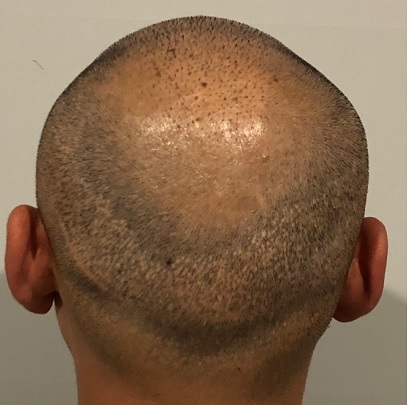
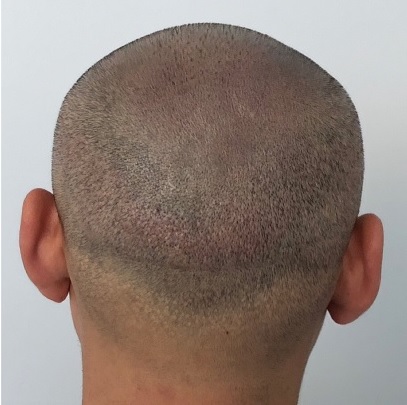
At The Look SMP Clinic, SMP is used to help men improve the look of poor hair transplant results, including thin density, FUE dot scars, FUT strip scars, overharvested donor areas and uneven hairlines.
This guide explains your options after a failed hair transplant, how SMP can help, when another transplant may or may not make sense, and what to consider before choosing a repair option.
Quick Answer: Can SMP Help After a Failed Hair Transplant?
Yes, SMP can often help after a failed hair transplant. It can improve the appearance of thin or patchy transplant results, camouflage FUE and FUT scars, reduce visible scalp contrast and create the look of a cleaner shaved-hair style.
SMP does not replace real hair and it does not reverse the transplant. It works by creating the visual effect of density using tiny pigment impressions that look like shaved hair stubble.
What Is a Failed Hair Transplant?
A failed hair transplant does not always mean the procedure completely failed. In many cases, the transplant may have grown some hair, but the final result still looks unnatural, thin or uneven.
Common signs of a failed or disappointing hair transplant include:
- Patchy or uneven hair growth
- Thin density that still exposes the scalp
- An unnatural hairline shape
- Hair that does not blend with surrounding areas
- Visible FUE dot scars
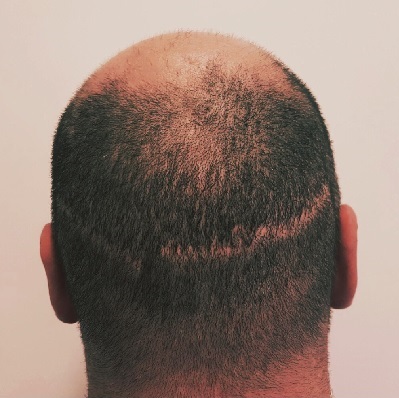
- A visible FUT strip scar
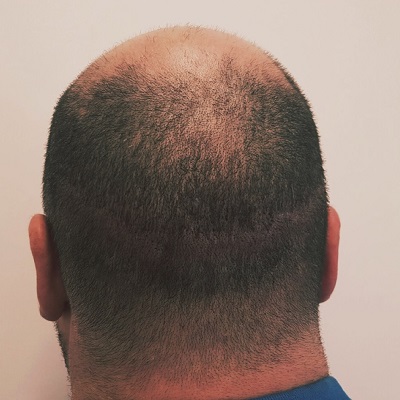
- Overharvested donor area at the back or sides of the scalp
- Transplanted hair growing in the wrong angle or direction
- A result that looks worse when the hair is cut short
Quick Comparison: Your Options After a Failed Hair Transplant
| Option | How It Works | Best For |
|---|---|---|
| SMP | Creates the look of shaved hair follicles using tiny pigment impressions | Thin density, patchy results, scar camouflage and shaved hairstyles |
| Another Hair Transplant | Moves more donor hair into thin or failed areas | Selected cases with enough donor hair and suitable scalp condition |
| Laser Removal | May be used in some cases to remove poor SMP or tattoo pigment | Bad previous scalp tattoo or incorrect pigment work |
| Shaving Down | Keeps the hair very short to make patchiness less obvious | Men who want a cleaner and lower-maintenance look |
Why Hair Transplants Can Fail or Look Disappointing
Hair transplant results depend on many factors, including donor hair supply, surgeon skill, graft survival, hair direction, scalp health, healing and future hair loss. Even when the surgery is technically completed, the final result may not match what the client expected.
A hair transplant may look disappointing because:
- Not enough grafts survived
- The transplanted density was too low
- The hairline was designed poorly
- The donor area was overharvested
- The transplant did not blend with native hair
- More natural hair was lost after the procedure
- Scarring became more visible than expected
- The client expected full density, but the result was limited coverage
How SMP Can Help After a Failed Hair Transplant
SMP can help improve the appearance of a failed hair transplant by adding the look of tiny shaved hair follicles to the scalp. These pigment impressions help reduce the contrast between the scalp and surrounding hair.
SMP may help after a failed hair transplant by:
- Creating the appearance of fuller density
- Reducing visible scalp shine or contrast
- Blending patchy transplant growth
- Softening the look of an unnatural hairline
- Camouflaging FUE dot scars
- Camouflaging FUT strip scars
- Improving the appearance of an overharvested donor area
- Helping create a cleaner shaved or buzz-cut look
SMP for Thin or Patchy Transplant Results
One of the most common reasons men choose SMP after a transplant is thin density. The transplanted hair may grow, but there may not be enough of it to create the appearance of real coverage.
SMP can help by reducing the contrast between the visible scalp and the hair that is already there. This can make the result look more balanced, especially when the hair is kept short.
The goal is not to make long hair look thick. SMP works best when it is used to support a short hairstyle or shaved-hair appearance.
SMP for FUE Scars After a Failed Hair Transplant
FUE hair transplants can leave small white dot scars across the donor area. These scars may become more noticeable if too many grafts were removed or if the hair is cut short.
SMP can help camouflage FUE scars by placing tiny pigment impressions around and within the donor area. This can reduce the contrast between pale scar tissue and surrounding hair.
SMP may help FUE scars by:
- Reducing the appearance of white dot scars
- Making the donor area look more even
- Helping short haircuts look cleaner
- Improving the look of overharvested areas
- Blending scars into the surrounding shaved-hair pattern
SMP for FUT Strip Scars After a Failed Hair Transplant
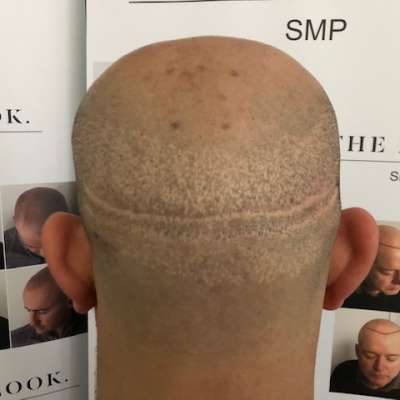
FUT hair transplants can leave a linear strip scar across the back of the scalp. This scar can be difficult to hide if the hair is cut short or if the surrounding hair becomes thin over time.
SMP can help break up the visible line of a FUT scar and blend it into the surrounding scalp. The result depends on the width, colour, texture and condition of the scar.
SMP does not remove the scar, but it can make the scar much less noticeable when the treatment is suitable and performed carefully.
For more detail, read our guide: SMP for Hair Transplant Scars.
Can SMP Fix an Unnatural Hairline?
SMP can sometimes improve the appearance of an unnatural hairline after a transplant, but it needs to be handled carefully. A hairline that is too low, too straight or too dense can look artificial if SMP is added without a proper plan.
In some cases, SMP can soften the appearance of the hairline by creating a more gradual shaved-hair effect. In other cases, the existing transplanted hairline may limit what can be achieved.
This is why consultation and planning matter. The right approach depends on your existing hairline, skin tone, hair colour, hair length and the overall look you want.
SMP vs Another Hair Transplant After a Failed Result
Some men consider another hair transplant to fix the first one. This may be suitable if there is enough donor hair left, the scalp is healthy and the previous result can be improved safely.
However, another transplant also means more cost, more healing time, more risk and possibly more scarring. If the donor area has already been overharvested, another transplant may not be realistic.
SMP is different. It does not require donor hair. It does not move follicles. It creates the visual impression of density and can help improve the look of the scalp without another surgical procedure.
| Factor | SMP | Another Hair Transplant |
|---|---|---|
| Surgery | Non-surgical | Surgical procedure |
| Donor Hair Needed | No | Yes |
| Best Use | Visual density, scar camouflage and shaved-hair look | Growing more real hair where possible |
| Scarring Risk | No surgical scar | Can create additional scarring |
| Hair Length | Best with shaved or very short hair | Can support longer hair if enough grafts grow well |
When SMP Is a Good Option After a Failed Hair Transplant
SMP may be a good option if you want to improve the look of a failed transplant without going through another surgery. It is especially useful for men who are willing to wear their hair short or shaved.
SMP may be suitable if:
- Your transplant result looks thin or patchy
- Your donor area has visible FUE or FUT scarring
- You want to avoid another hair transplant
- You do not have enough donor hair for another procedure
- You want a sharper shaved-hair appearance
- You want to reduce visible scalp contrast
- You want a lower-maintenance hair loss solution
When SMP May Not Be the Right Option
SMP is not suitable for every failed transplant case. It may not be right if you want the look of long, thick hair or if you are not willing to keep your hair short enough for the SMP to blend naturally.
SMP may not be suitable if:
- You expect SMP to grow real hair
- You want long hair coverage
- Your scalp or scars are still healing
- Your scar tissue is raised, unstable or inflamed
- You are not prepared to maintain a short hairstyle
- You have unrealistic expectations about the final result
How Long After a Hair Transplant Can You Get SMP?
The scalp and any scars should be fully healed before SMP is performed. The timing depends on the individual, the type of transplant, healing quality and whether there is still redness, inflammation or sensitivity.
As a general rule, SMP should not be rushed onto fresh surgical areas. Scar tissue and transplanted areas need time to settle before pigment is added.
A proper consultation is the safest way to assess whether your scalp is ready for SMP after a transplant.
Can SMP Be Used With Existing Transplanted Hair?
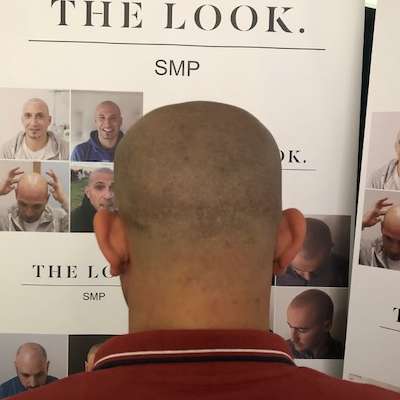
Yes, SMP can often be used with existing transplanted hair if the hair is kept short enough for the SMP to blend. This can help reduce the visual contrast between hair and scalp.
The best results usually come when the SMP is matched carefully to the surrounding hair colour, skin tone and density. The work should look soft and natural, not dark or painted on.
Why Experience Matters After a Failed Hair Transplant
SMP after a failed hair transplant needs careful planning. The practitioner must understand hairline design, density matching, scar camouflage, pigment tone, dot spacing and how transplant scars can heal differently from normal scalp skin.
At The Look SMP Clinic, David has 12+ years of experience helping clients with scalp micropigmentation, hair loss solutions, transplant scar camouflage and repair-style SMP work.
The goal is not to make the scalp look fake or overdone. The goal is to create a natural shaved-hair effect that improves the overall appearance and helps the result look more balanced.
Final Verdict: Is SMP Worth Considering After a Failed Hair Transplant?
Yes, SMP is worth considering if your hair transplant has left you with thin density, visible scars, patchy growth or an unnatural result. It can be a practical non-surgical option for improving the appearance of the scalp without relying on more donor hair.
SMP will not grow new hair, but it can create the look of density, help camouflage transplant scars and support a cleaner shaved-hair style.
If your failed hair transplant has affected your confidence, SMP may give you a way to move forward without another surgical procedure.
For a broader comparison, read our main guide: Scalp Micropigmentation vs Hair Transplant.
Frequently Asked Questions
Can SMP fix a failed hair transplant?
SMP cannot reverse a hair transplant or grow new hair, but it can often improve the appearance of a failed hair transplant by creating the look of density and helping camouflage scars or patchy areas.
Can SMP hide scars from a failed hair transplant?
Yes, SMP can often help camouflage FUE dot scars and FUT strip scars by reducing the contrast between scar tissue and surrounding hair.
Is SMP better than getting another hair transplant?
It depends on your goal. If you want more real hair and still have strong donor supply, another transplant may be considered. If you want a non-surgical option to improve visual density or hide scars, SMP may be more suitable.
Do I need to shave my head for SMP after a failed hair transplant?
In many cases, SMP looks best when the hair is kept shaved or very short. This allows the pigment impressions to blend with the look of natural shaved hair follicles.
Can SMP help an overharvested donor area?
Yes, SMP can often improve the appearance of an overharvested donor area by creating the look of more even density across the back or sides of the scalp.
How long should I wait after a hair transplant before SMP?
The scalp should be fully healed before SMP. The exact timing depends on your healing, scar condition and transplant area, so it is best to have the scalp assessed before booking treatment.
Related SMP Services
- Scalp Micropigmentation vs Hair Transplant
- SMP vs FUE Hair Transplant
- SMP vs FUT Hair Transplant
- SMP vs Hair Transplant Cost in Australia
- SMP vs Hair Transplant Recovery Time
- SMP for Hair Transplant Scars
- Hair Transplant Scar Cover Up Sydney
- Hair Transplant Scar Camouflage Melbourne
- Book an SMP Consultation
Had a Hair Transplant That Did Not Turn Out Right?
If you have patchy transplant growth, visible FUE or FUT scars, an overharvested donor area, or a hairline that does not look natural, scalp micropigmentation may help create a cleaner and more balanced shaved-hair appearance.
Ask David at The Look SMP Clinic.
David has 12+ years of experience helping clients with scalp micropigmentation, hair loss solutions, and transplant scar camouflage.

Quick questions welcome before booking.